
Guides / As of July 2026

E-scooters in winter: what really matters.

Electric scooters handle winter fine — if you get three things right: store the battery warm, plan range realistically, adapt your riding.

Range: budget conservatively in winter.

Lithium batteries dislike cold: around freezing, range drops noticeably — roughly 10 to 30 percent depending on riding style and temperature. That's physics, not a defect.

Plan winter routes with a reserve and top up more often. On models with two batteries, plenty of city buffer remains even in winter.
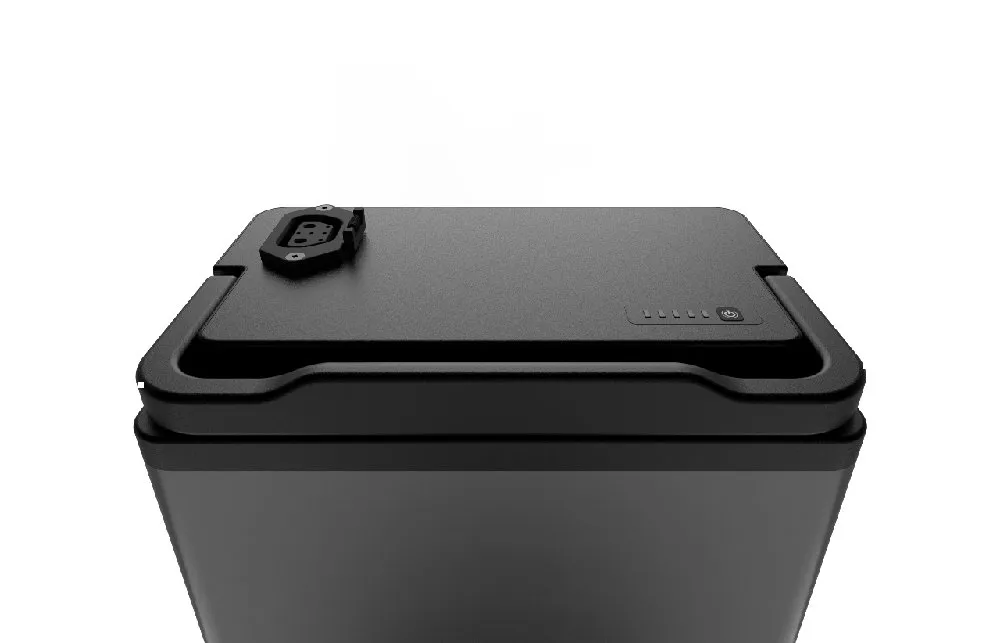
Removable battery of an electric scooter

The swap battery is worth gold in winter.

Almost all our models have removable batteries — and that is the decisive winter advantage: the scooter sleeps outside or in the garage, the battery charges indoors. A warm battery starts at full strength.

Charge at room temperature where possible, not straight after an icy ride.

Winter break? How the battery hibernates properly.

If the scooter stands for longer: store the battery at 40–70% charge, cool (but frost-free) and dry, and check it every few weeks. Please don't store it fully charged or empty — the cells like neither.

In spring: charge normally, get on, done.

Riding in cold and wet conditions.

Expect longer braking distances and less grip — especially on wet cobblestones or tram tracks. Ride defensively, brake earlier, and give tyres the first minutes on cold days to come up to temperature.

Several of our models come with ABS and traction control — in winter, more than a comfort extra.

The winter check at our workshop.

Brakes, lights, tyres, software: a short pre-winter check costs little and saves trouble. Simply book an appointment at our Mannheim workshop.